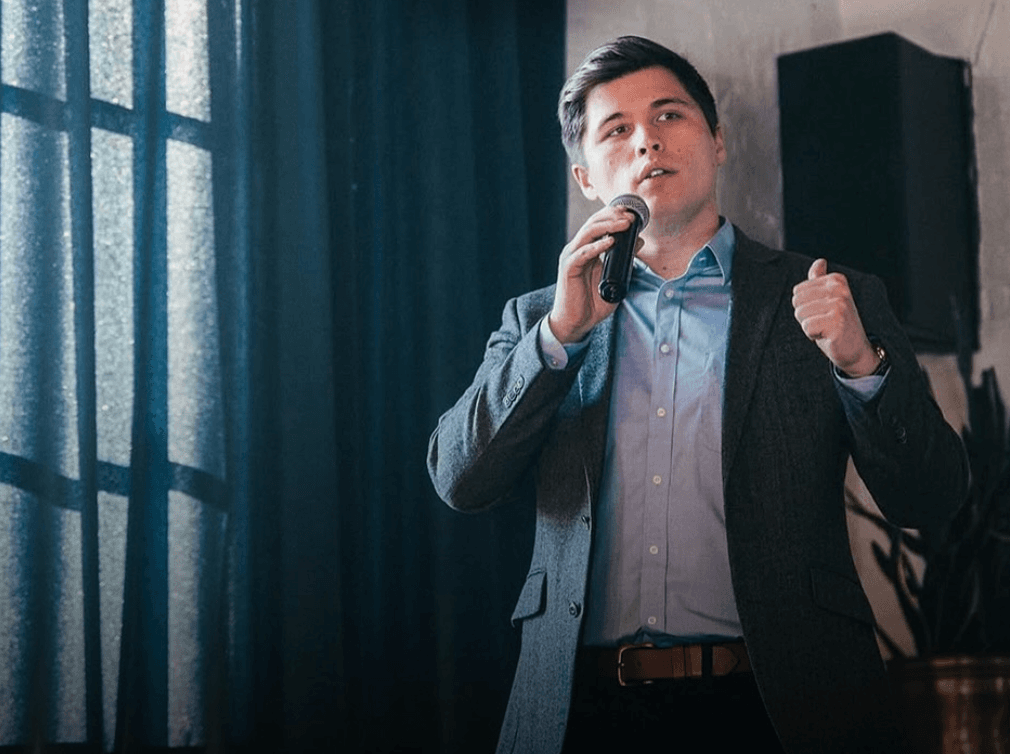
Ben Lockyer
Founder & Attorney · Lockyer Law
More than 90% of criminal cases in the United States never go to trial. They end in a plea deal. Most people hear that and think: efficiency. I hear it and think: a system that stopped searching for the truth.
I’ve worked with people who pled guilty to things they didn’t do. Not because the evidence was overwhelming. Because they were scared, underfunded, and out of time.
What Is a Plea Deal and How Does It Work?
A plea deal, formally called a plea bargain, is an agreement between a prosecutor and a defendant. You plead guilty to a charge (sometimes a lesser one), and in exchange the prosecutor drops other charges or recommends a lighter sentence. On paper it sounds like a compromise. In practice, it often feels like a trap.
The deal is usually presented as take-it-or-leave-it, with a clock attached. Accept now, or go to trial and risk a harsher sentence if you lose. That’s the pitch. And for people without resources, it can feel like the only door open, which is exactly how it’s designed to feel.
Why the System Pushes You Toward a Plea
Plea deals don’t exist to serve defendants. They exist to move cases. Courts are overcrowded. Prosecutors carry hundreds of cases at a time. A trial takes weeks and costs the system significant resources. A plea deal takes a morning.
When over 90% of cases end in a plea, that’s not because 90% of defendants found their best outcome. It’s because the system is structured to make trial feel too risky and too expensive for most people to attempt. Justice becomes a negotiation instead of a search for truth. The pressure falls hardest on the people with the least leverage.
The Constitutional Rights You Sign Away
This is where it gets serious. Understanding plea deals and your rights means knowing exactly what you’re giving up. When you accept a plea, you waive fundamental constitutional protections:
- Your Sixth Amendment right to a trial by jury
- Your right to confront witnesses against you
- Your right to remain silent
- Your right to appeal, in most cases
Once you sign, those rights are gone. And in many jurisdictions, so is your ability to challenge the conviction later, even if new evidence surfaces. A guilty plea is nearly permanent. Treat it that way before you sign.
Who Gets Hurt the Most
The plea deal system doesn’t hit everyone equally. The people most pressured into accepting deals are the ones who can least afford to fight: low-income defendants relying on public defenders.
Public defenders are often exceptional attorneys doing impossible work. But the system sets them up to fail. In many counties, public defenders carry caseloads of 200, 300, even 500 cases per year. That’s not enough time to review a file properly, let alone build a real defense. When your attorney has fifteen minutes before the plea deadline, what real choice do you actually have?
This is where the inequality lives. Wealthy defendants hire independent counsel, get thorough case reviews, and often see charges reduced or dismissed before trial. Everyone else is pushed through a system optimized for speed, not truth.
What to Do If You’re Being Pressured Into a Plea
If you’re facing charges and a prosecutor (or even your own attorney) is pushing you to take a deal, slow down. A plea deadline is a pressure tactic, not a law of nature. Here’s what I tell every client in this situation:
- Get a second opinion. You have the right to independent counsel before signing anything. Use it.
- Ask for the evidence. You’re entitled to know what the prosecution has against you before you decide.
- Understand the long-term consequences. A guilty plea affects employment, housing, professional licensing, and immigration status, often permanently.
- Don’t let fear make the decision. A scared choice made in three days can follow you for thirty years.
Why Having Your Own Attorney Changes the Outcome
An independent attorney works for you. Not the court’s timeline. Not a caseload of 300 other defendants. Not the system’s need to close cases before the end of the month.
When you have counsel who has the time and the incentive to actually review your case, the math changes. Evidence gets challenged. Witnesses get scrutinized. Charges get reduced or dismissed, not because you accepted a deal out of fear, but because someone built an actual defense.
The difference between an overworked public defender and a dedicated private attorney isn’t just time. It’s the power to say no. And mean it.